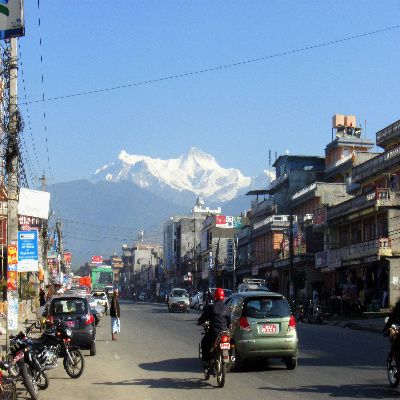
I mean in no way to diminish the tragedy that occurred here in April, but thanks to the efforts of the Nepali army, the Red Cross and NGO's and church groups already in-country, life is back to normal here. Nepal is among the poorest of the poor countries and there has been no government here since 1997. There is now a constitution and it is expected that there will be an elected government before the end of the year. Until there are ministries to oversee public works and sanitation, it should come as no surprise that the streets and rivers are a mess and the population sorely suffers. Not so much from the earthquake as the economic circumstance that pervade the country. Existing squatter camps have been joined by Red Cross tent villages, but a real effort is being made to move the occupants of these temporary shelters to small homes. Financial aid has been funneled here and it looks like most of it is actually being used to better the lot of these people. Nepal's biggest problem now is India which has embargoed the transit of petrol to the country. There are rolling blackouts and public transportation has been brought to a crawl. The buses that run are standing room only and overflow moves to the roofs of those vehicles. Fortunately, Nepal is not dependent on food imports, so the Nepali people have enough to eat.
The Western media has greatly overplayed the damage caused by the earthquake and the loss of tourists has caused financial damage and unemployment in the country. Wherever we went we were greeted with, "Namaste, it is good to see you (tourists) again." For those of you who have thought about visiting Nepal, now is the time to do it. There are neat piles of rubble in some areas, but they are deliberate. Once new structures are fortified, old beams and bricks will be used restore temples and stupas so they looks as they did before the day the ground moved.

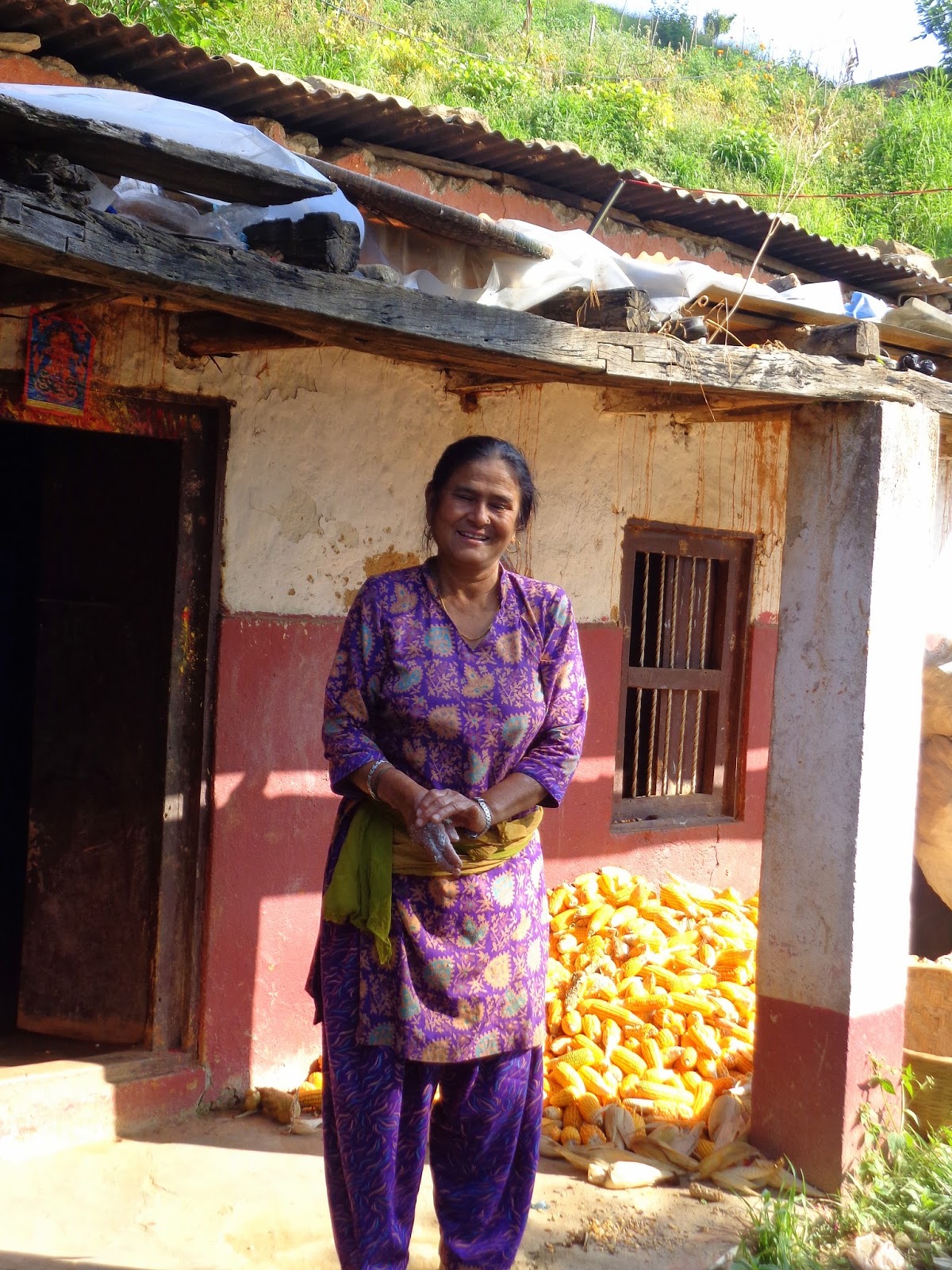
We spent our first few days in Nepal in a terraced countryside retreat that made up in charm what it lacked in convenience. It abutted a small, agricultural community and we visited the home of widow who had a huge heart which she opened to our group of eleven. Her home consisted of 3 small rooms with 5 foot ceilings. These houses have no chimneys and cooking is done inside the home. As you might guess, women who live in these constructs generally have lung problems before their 50th birthdays. All farm work in this area is done manually, but these folks are self-sufficient. We got to see them take their harvest to market during the feast of Dashain, a 15 day celebration that is the most important in Nepal.

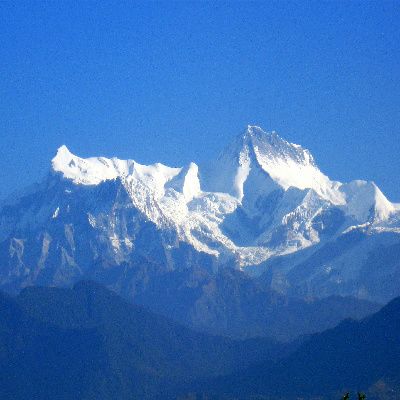
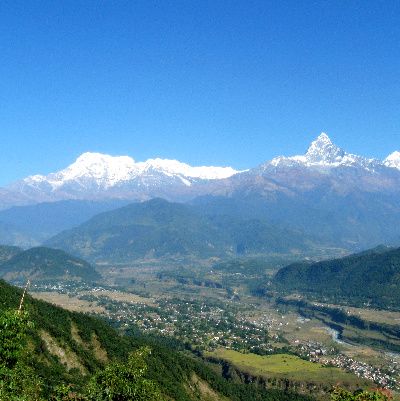
The holiday near emptied Kathmandu and that allowed us to visit holy sites and stupas without rubbing elbows with masses of humanity. We also visited the funeral ghats where most Hindus are cremated. Death takes no holidays, so this was a busy area despite the Dashain celebration. I will share limited photos with you, as I know the process will be upsetting for some. Try to remember, this is part of their culture and it represents the promise of a better life to come. On a lighter note, many of you know that Nepal is a kick-off site for treks and Himalayan assents. I still get the giggles when I hear Sherpa guides speaking German or French. My bad! I just can't help myself.
Nepal is a country on the cusp. Once its hydroelectric power is harnessed and money flows to its coffers, the younger generation can look forward to a good life. It will be too late for those in their 40's and 50's. The infrastructure is near collapse, not because of the earthquake but because of neglect. If ever we are blessed with another visit to this country, I hope we will find it as thriving and vibrant as its neighbors. Wish you were here...Mary